RAM Prices Skyrocket: Understanding the Crisis and Its Impact
Introduction
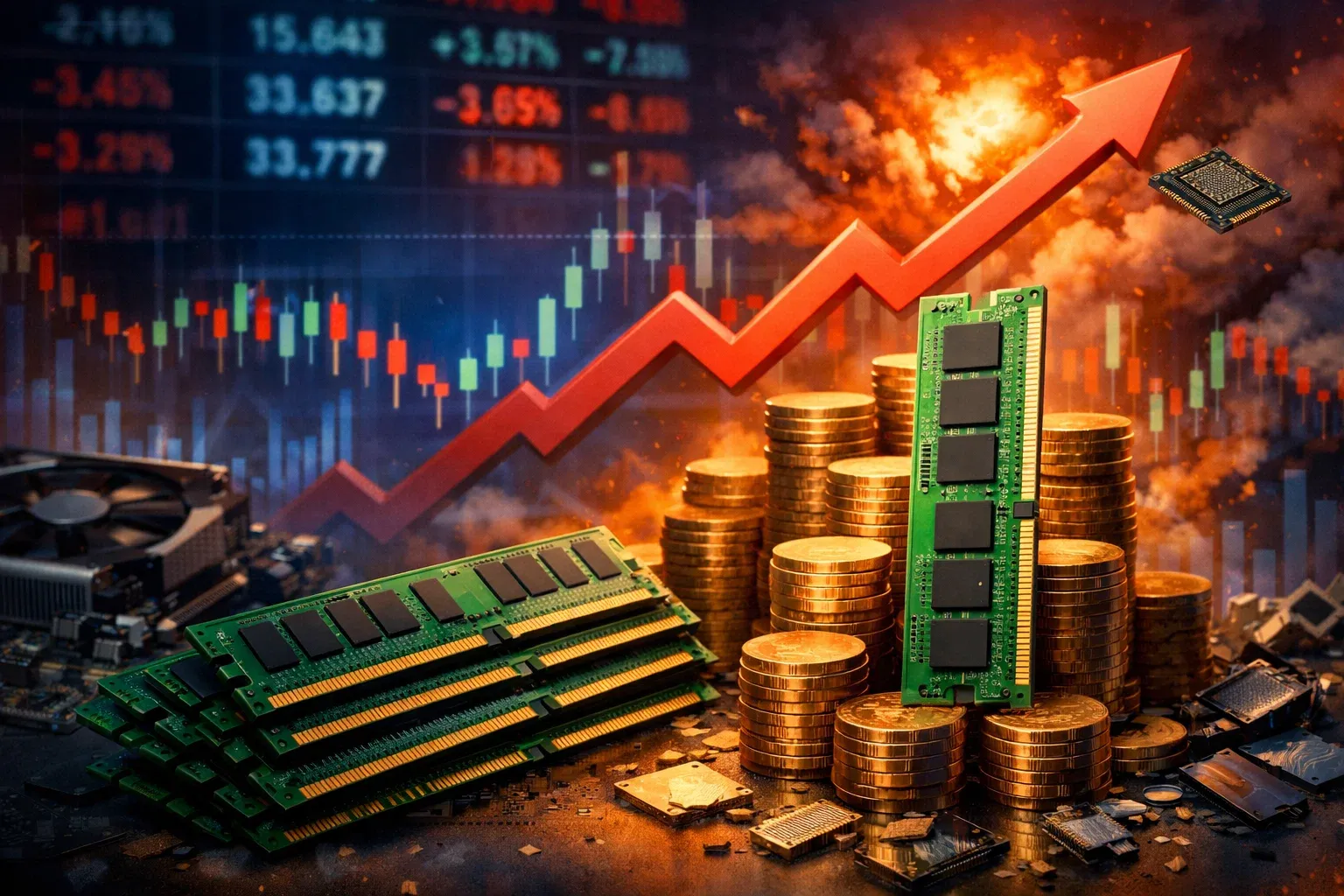
The cost of RAM has seen a dramatic increase of 100% to 300% from late 2025 to early 2026, reaching all-time highs due to supply shortages and the high demand for High Bandwidth Memory (HBM) for artificial intelligence. This surge is largely attributed to manufacturers prioritizing data centers over consumer production.
Situation and Causes
The current situation is marked by an unprecedented price hike, with 32GB kits that cost around €100 last year now priced between €250 to €500. The primary cause of this increase is the massive need for RAM in training AI models, leading manufacturers like Samsung, SK Hynix, and Micron to focus their production capacity on HBM. This shift has created an imbalance between supply and demand, affecting the availability of DDR4 and DDR5 for PCs, consoles, and other devices.
Projections
Analysts predict that prices will continue to rise or remain high throughout 2026, with no significant normalization expected until 2027.
Impact on the Market
The increased cost of RAM has made it more expensive to build or buy desktop PCs, laptops, and individual components. Experts recommend opting for pre-assembled PCs if an upgrade is needed, as their prices might be more stable than purchasing RAM separately. Additionally, used RAM components are increasing in value due to the lack of new supply.
Conclusion
The RAM price crisis is a significant challenge for both the tech industry and consumers. Understanding the causes and impact of this crisis can help in making informed decisions about purchases and upgrades in the current market.